Home Inspection
How Should You Get Your Home Ready for a Buyer’s Inspection?
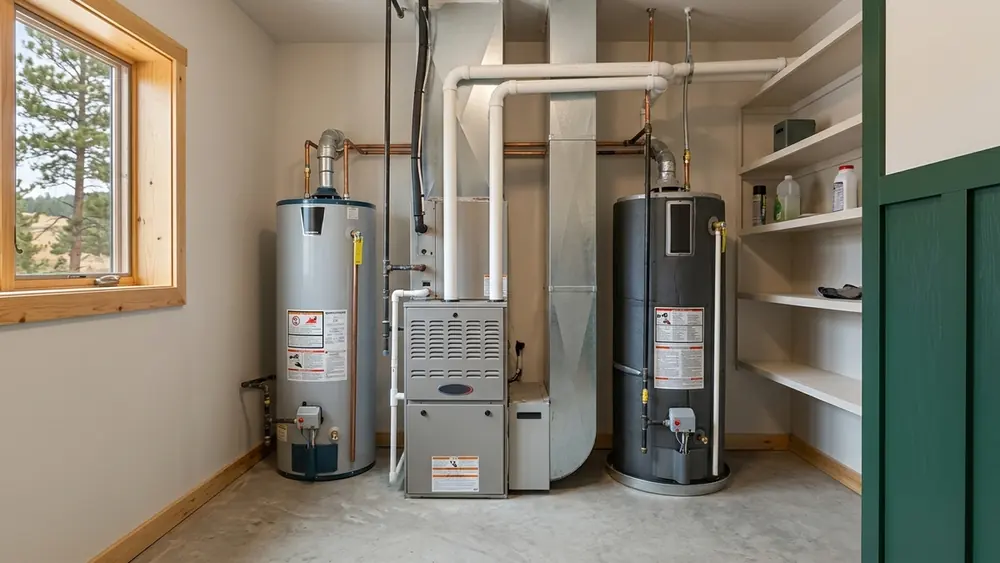
Get your home ready for a buyer’s inspection by fixing problems you already know about, gathering repair and maintenance records, and making the furnace, water heater, electrical panel and other major systems easy to reach.
On this page
- Fix what you know and clear the way
- How preparation changes the inspection day
- Clear a path to every major system
- Gather records before the inspector arrives
- Simple checks you can do yourself first
- Deciding what to fix and what to document
- Extra preparation for homes on larger lots
- What to bring when you talk about selling
Fix what you know and clear the way
To get your home ready for a buyer’s inspection, fix the problems you already know about, gather your repair and maintenance records, and make the major systems easy to reach. Test lights, faucets and appliances, and clear access to the furnace, water heater, electrical panel and any attic or crawl space entry. A buyer’s inspector should be able to see the house as it really is.
This matters because a buyer’s inspection is often the point where a sale either settles in or starts to feel uncertain. When an inspector cannot reach a system, or finds a long list of small issues that were easy to fix, the report can read as more worrying than the house deserves. Preparation does not hide anything. It simply lets the inspection describe the home clearly.
The buyer hires their own independent licensed inspector, and that inspector works for the buyer. Your job as the seller is not to influence the result. It is to make the home available, accessible and honestly represented. If you want your own view of the home’s condition before you list, you can hire your own independent licensed inspector for that, separate from anything the buyer arranges.
How preparation changes the inspection day
A buyer’s inspector notes what they can see and what they cannot. A blocked furnace closet, a locked shed, or boxes stacked against a basement wall can all end up in the report as areas that were not inspected. That leaves the buyer with open questions, and open questions tend to come back to you as requests for a return visit, a specialist, or more time.
Small items add up in the same way. A dripping faucet, a dead bulb, a missing cover plate or a door that will not latch are each minor, but a page full of them can make a buyer wonder what else has been missed. Handling the easy items before the inspection keeps the report focused on the things that genuinely deserve a conversation between you and the buyer.
Most of what makes an inspection go smoothly is simple: the systems are easy to reach, the small things work, and the records are sitting on the counter.
Clear a path to every major system
Walk through your home as if you were the inspector and look for anything that would slow them down. The furnace, water heater, electrical panel and main water shutoff should be reachable without moving furniture or boxes. Attic hatches and crawl space entries should be clear, and the area around them should be free of stored items. If you have a garage or outbuilding, make sure it can be opened.
Outside, trim back plants that hide the foundation, the siding or the air conditioning equipment, and move anything stacked against the house. Clear the path to the roof edge and the gutters where you can reach them from the ground. On a property with its own well or septic system, make sure the well head and septic access points are marked and reachable, and know where they are.
Leave keys for anything locked, and make sure the utilities are on and any pilot lights are lit so the inspector can run the heating, the water and the appliances. Plan to be away during the inspection if you can, with pets taken out or secured. A buyer and an inspector usually talk more openly, and finish more efficiently, when the seller is not in the room.
Gather records before the inspector arrives
Records answer questions before they become concerns. Pull together receipts and invoices for repairs and replacements, warranties that transfer with the home, and any service records for the heating system, water heater, roof, well or septic system. If you have reports from past inspections or specialist visits, include them. Put everything in one folder so it is easy to hand to your agent.
A short written list of known issues, with what was done about each one and roughly when, gives the buyer’s side a clear picture without guesswork. It also helps you think through what you need to disclose. Disclosure rules and forms are a legal question, so confirm what applies to your sale with a licensed professional, such as a real estate attorney, rather than relying on general advice.
Simple checks you can do yourself first
You do not need technical training to find many of the items an inspector would note. A slow walk through each room, with a list in hand, catches most of the easy fixes. Focus on whether things work as they should, not on how they look. The checks below take little more than patience and a flashlight, and they often save a longer conversation later.
- Run every faucet, flush every toilet, and look under each sink for drips or stains
- Switch on every light and test outlets you can reach, replacing bulbs and missing cover plates
- Open and close every door and window, noting any that stick, rub or will not latch
- Check ceilings and walls for stains, and note the cause and any repair you have made
Anything you find falls into a simple choice: fix it, or note it honestly. Easy items like bulbs, cover plates and loose hardware are usually worth fixing. Larger items, such as a stain from an old leak, are worth documenting with what caused it and what was done. If you are not sure whether something is a sign of a bigger issue, ask a licensed contractor to take a look.
Deciding what to fix and what to document
Not every item needs a repair before you list, and which repairs make sense depends on your home and your goals. The table below is a way to sort what you find. It is not a rule. Talk through your own list with your agent, and confirm repair decisions with licensed contractors and disclosure questions with a licensed professional before you act.
| What you find | Reasonable first step | Who confirms it |
|---|---|---|
| Small items that do not work | Fix them before the inspection | You, or a handy helper |
| A known past repair | Gather the invoice and a short written note | Your records and the contractor who did it |
| A system showing age or wear | Get it serviced and keep the service record | A licensed contractor for that system |
| A larger issue you are unsure about | Have it evaluated before deciding on repair | A licensed contractor or specialist |
| Anything you may need to disclose | Write it down and ask before you list | A real estate attorney or licensed professional |
Sorting your list this way keeps the decision practical. You are not trying to make the house perfect, and a buyer does not expect that. You are trying to remove easy surprises, show that the home has been looked after, and be clear about anything that has not been addressed. That combination tends to make the inspection, and the conversation after it, calmer for everyone.
Extra preparation for homes on larger lots
If your home sits on several acres near Whitewood, or anywhere outside town, a buyer’s inspection may involve more than the house. The buyer’s inspector may refer the buyer to a well, septic or other specialist, and those visits need access too. Make sure the well head, septic access lid, outbuildings and any utility equipment are marked, reachable and unlocked on the day of each visit.
Gather the records that larger lots tend to raise questions about, such as service history for the well or septic system, any documents about road access or shared driveways, and any survey or boundary paperwork you have. Questions about rules, permits or records belong to the county or city offices, so point buyers there rather than answering from memory. Your agent can help you organize what you have.
What to bring when you talk about selling
Before you list in Spearfish or Whitewood, bring a short packet to your first conversation about selling: your folder of repair and maintenance records, your list of known issues, any past inspection or specialist reports, and the results of your own walk-through checks. Add a note on anything you are unsure whether to fix, so it can be talked through before the home goes on the market.
Doily brings a home inspector’s eye to that conversation and can help you think about which items a buyer’s inspector is likely to notice and which ones are worth handling first. The buyer’s inspection itself is done by the buyer’s own independent licensed inspector. If you would like to talk through your list, bring it to Doily. Which item in your home are you least sure what to do about?
This article is general information about real estate decisions in Spearfish and Whitewood, South Dakota. It is not legal, tax, insurance, inspection, or financial advice, and it is not an inspection of any home. Rules, prices, and market conditions change, so confirm current details with the responsible local office and with qualified professionals.

Written by